Southern Circuit, Tanzania
Nyerere National Park
Nyerere National Park covers 30,893 square kilometres and is Tanzania's largest. Rufiji River boat safaris, walking safaris and low visitor numbers.
- Region
- Southern Tanzania, Pwani, Morogoro and Lindi regions
- Size
- 30,893 square kilometres
- Nearest airport
- Airstrips inside the park, served from Dar es Salaam and Zanzibar
- Suggested stay
- Three to four days
Nyerere National Park was established in 2019 from the northern section of the former Selous Game Reserve. At 30,893 square kilometres it is the largest national park in Tanzania and one of the largest protected areas in the world.
The Rufiji River defines it. Tanzania’s largest river runs through the park in a system of channels, lakes and sandbanks that holds large numbers of crocodile and hippo, and supports boat safaris that are not possible on the northern circuit.
Visitor numbers are low relative to the northern parks. For travellers who want space and quiet rather than famous names, that is the main argument for coming here.
Why visit Nyerere National Park
The river. Boat safaris on the Rufiji are the defining activity and offer a completely different perspective from a game drive.
Space. The park is vast and lightly visited, so sightings are rarely shared with other vehicles.
Activity range. Walking safaris and fly camping are available here in a way they are not in the busier northern parks.
Wildlife you see here
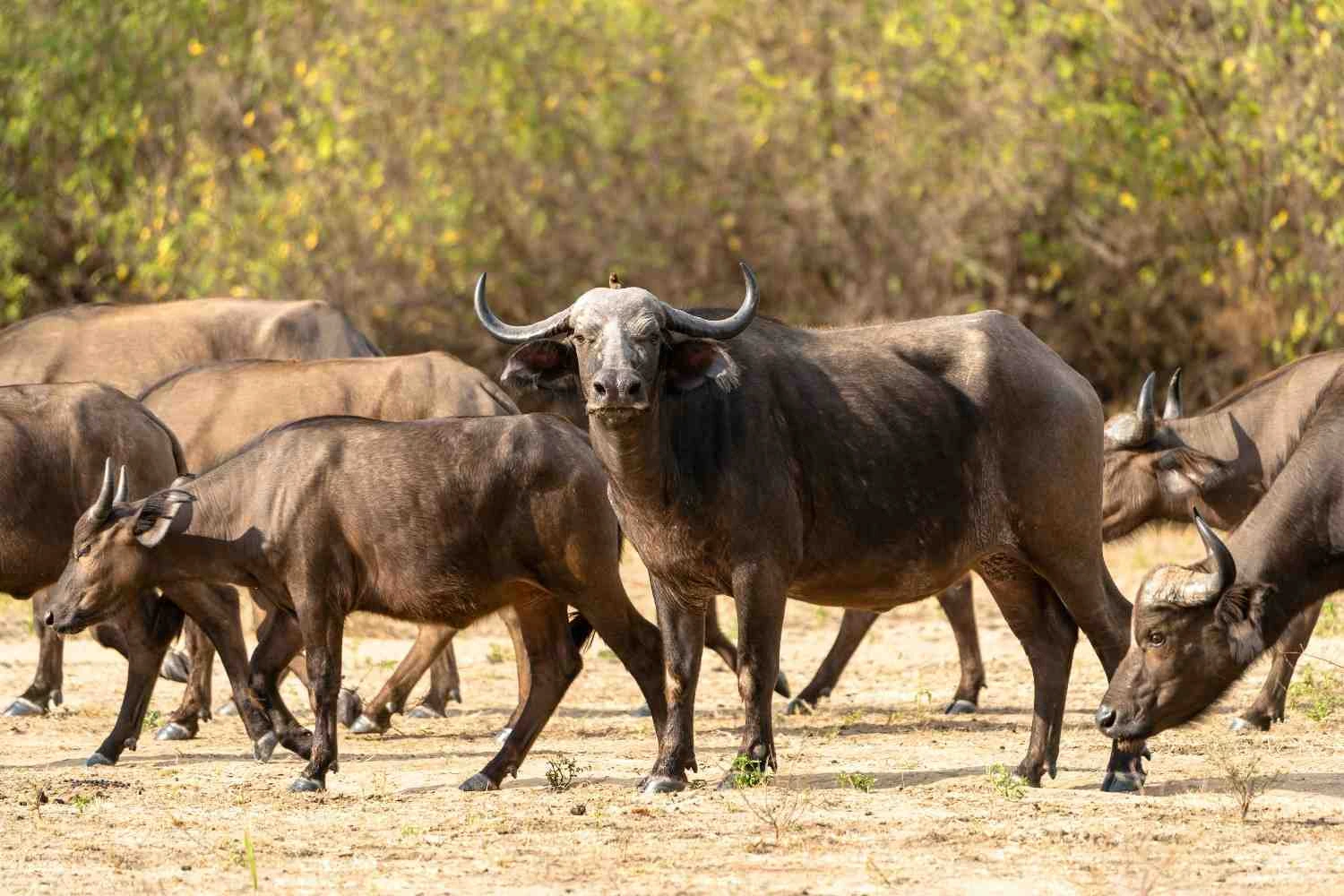
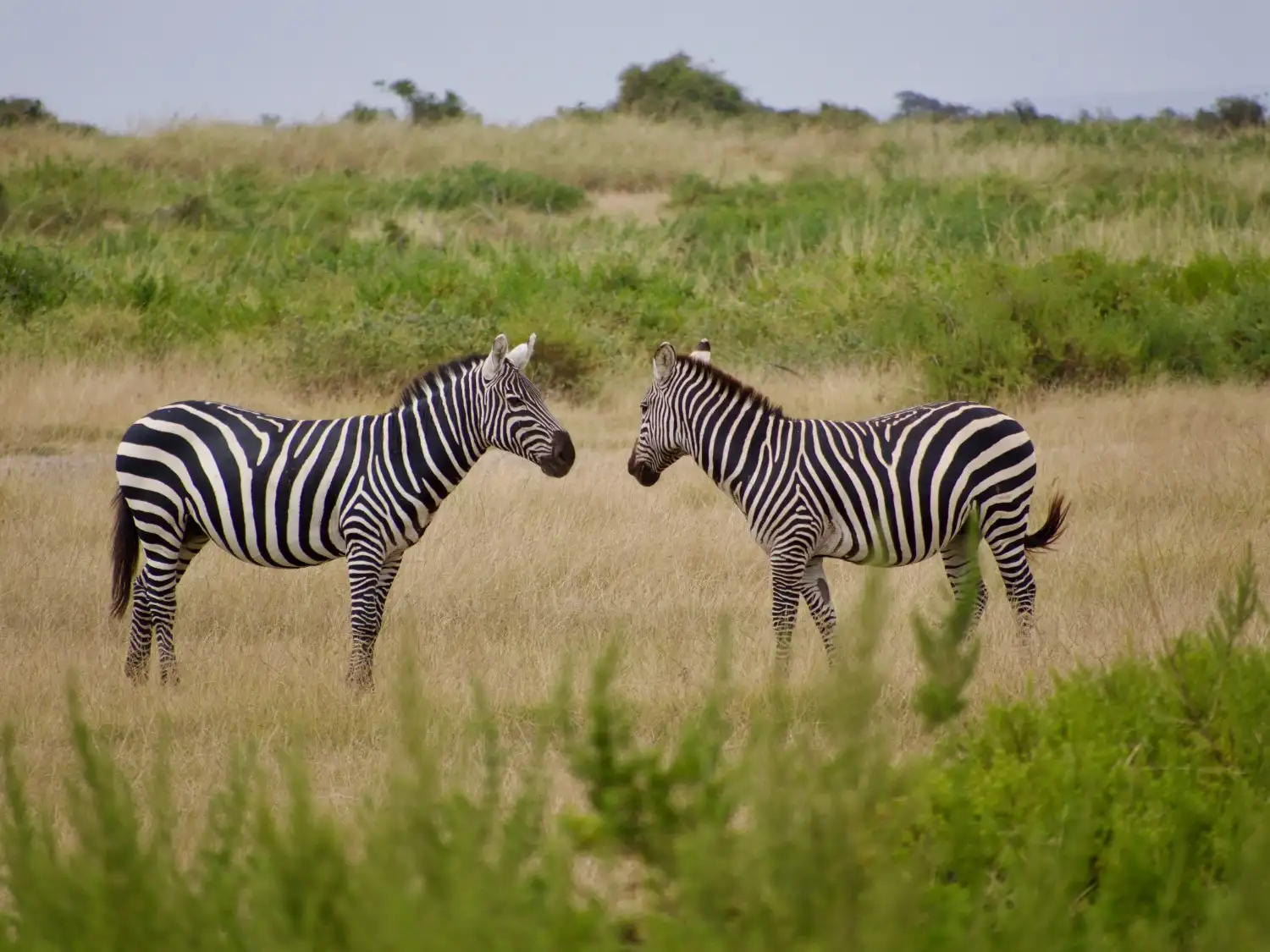
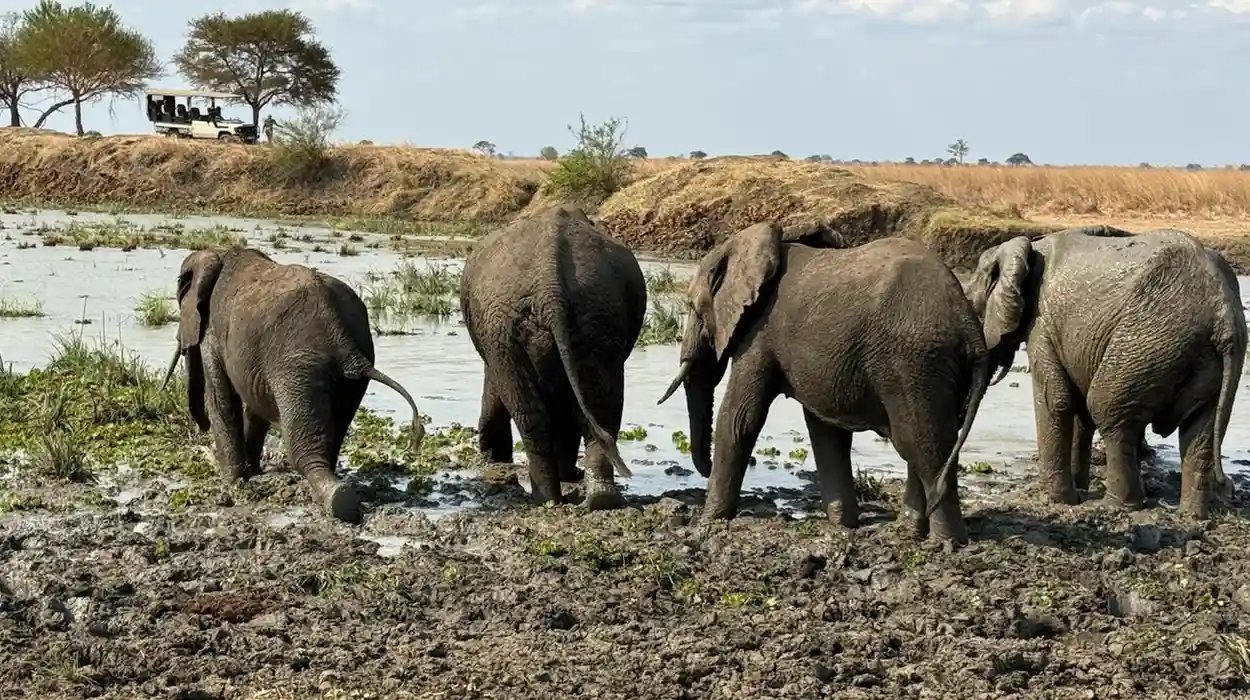
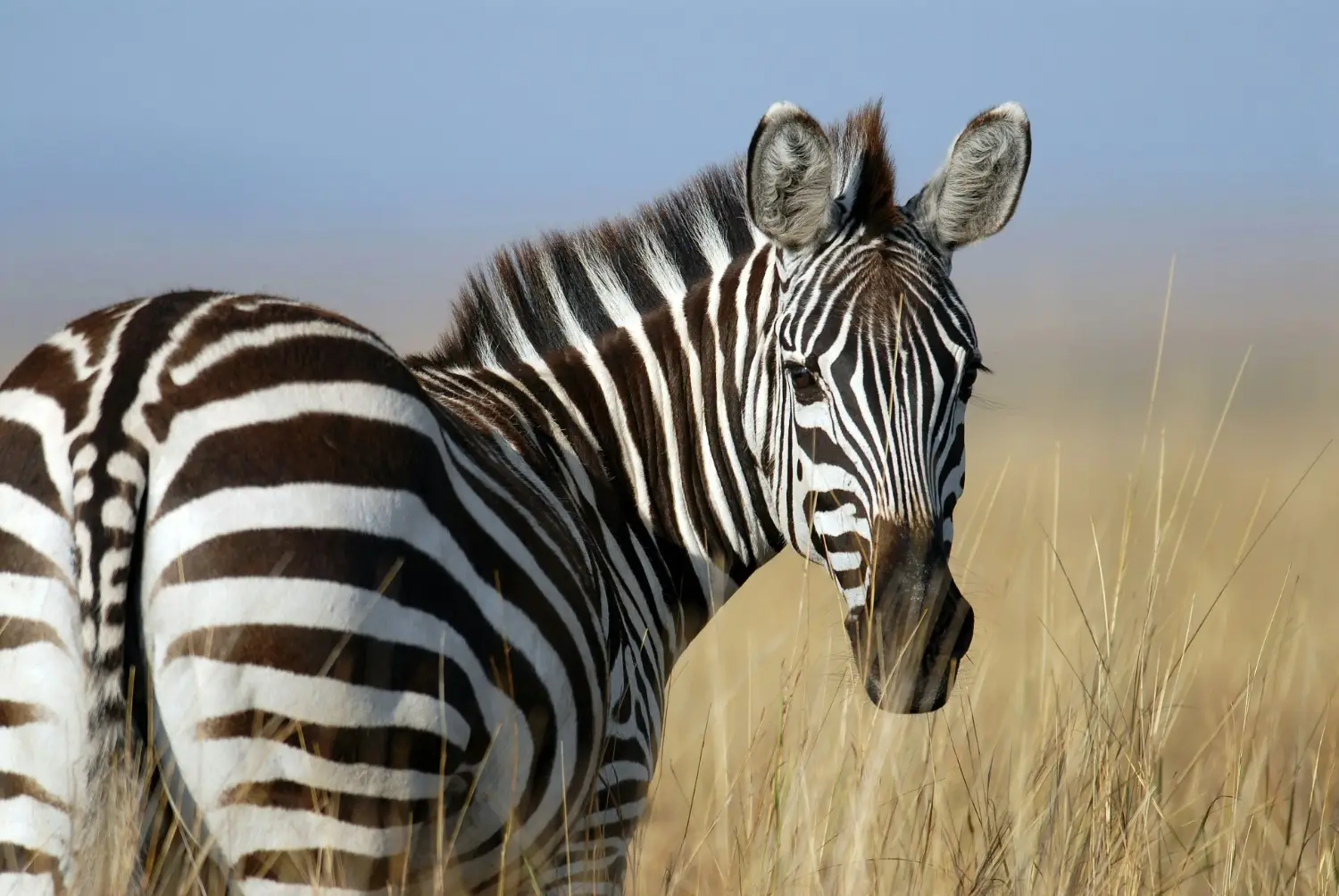
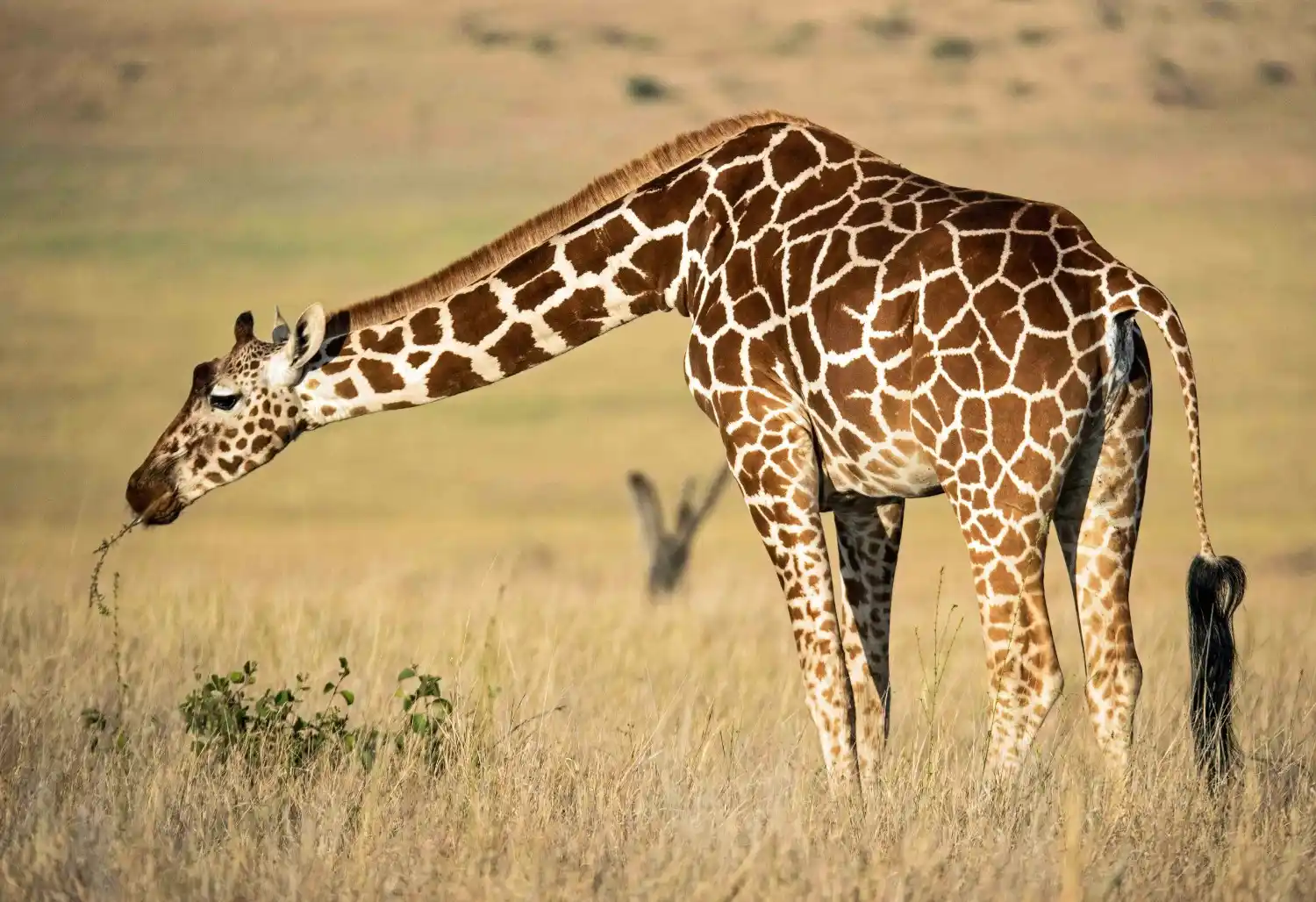
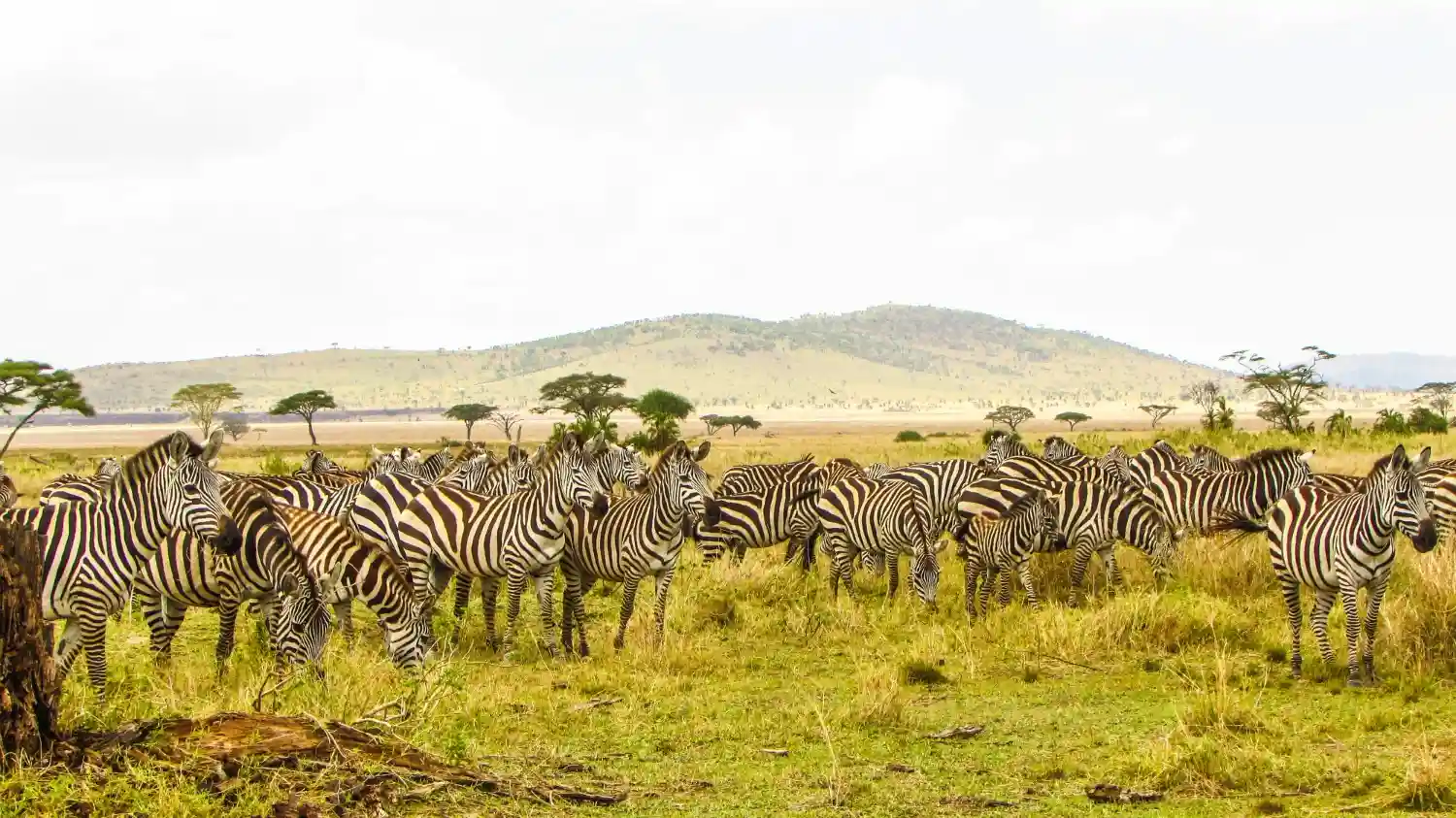
Elephant, buffalo, giraffe, zebra, impala, greater kudu and waterbuck are present. Hippo and crocodile are abundant along the Rufiji.
Lion are resident. The park holds one of the more significant remaining African wild dog populations, though sightings are never guaranteed.
Birdlife along the river system is excellent, including fish eagle, skimmer, stork and a wide range of waterbirds.
Best time to visit
June to October is the main season. The bush thins, animals concentrate near water, and boat and walking safaris are at their best.
The long rains from March to May make some areas inaccessible and a number of camps close. January and February are hot and green, with good birdlife.
How to get there
By air is the usual route. Light aircraft fly to airstrips inside the park from Dar es Salaam and from Zanzibar, which makes a safari and beach combination straightforward.
By road from Dar es Salaam is possible but long, and conditions vary considerably with the season.
Where to stay
Camps and lodges are concentrated along the Rufiji River and its lakes in the north of the park. Fly camping is available for walking itineraries.
The park is large and camps are widely spread. Where you stay determines which part of the park you can realistically reach.
Travel tips
Boat safaris are the reason to come. Confirm they are included rather than assumed when comparing quotes.
Malaria prophylaxis is advisable. Take medical advice before travelling.
Check camp opening dates if you are travelling between March and May, as many close for the long rains.
Things to do
- Boat safaris on the Rufiji River and its lakes
- Game drives in the northern sector
- Guided walking safaris
- Fly camping on multi-day walking itineraries
- Birdwatching along the river system
Trips visiting Nyerere National Park
Full day
Nyerere Day Safari from Zanzibar by Air
- Duration:
- 1 day
- Starts:
- Zanzibar
- Tour type:
- Fly-in safari
- Destination:
- Southern Circuit
From $446 pp
 3 days
3-Day Nyerere National Park Boat and Game Drive Safari from Dar es Salaam
- Duration:
- 3 days, 2 nights
- Starts:
- Dar es Salaam
- Tour type:
- Boat Safari
- Destination:
- Southern Circuit
Request a quote
 3 days
3-Day Mikumi and Udzungwa Safari and Hiking Combination
- Duration:
- 3 days, 2 nights
- Starts:
- Dar es Salaam
- Tour type:
- Family Safari
- Destination:
- Combination, Southern Circuit
Request a quote
 6 days
6-Day Southern Circuit Safari: Mikumi, Udzungwa and Nyerere
- Duration:
- 6 days, 5 nights
- Starts:
- Dar es Salaam
- Tour type:
- Boat Safari
- Destination:
- Combination, Southern Circuit
Request a quote
 5 days
5-Day Nyerere and Mikumi Safari
- Duration:
- 5 days, 4 nights
- Starts:
- Dar es Salaam
- Tour type:
- Wildlife safari
- Destination:
- Southern Circuit
From $1,350 pp
 2 days
2-Day Nyerere Fly-in Safari from Zanzibar
- Duration:
- 2 days, 1 night
- Starts:
- Zanzibar
- Tour type:
- Fly-in safari
- Destination:
- Southern Circuit
From $699 pp
Combine it with
Parks on the same circuit, close enough to reach in the same trip.
Common questions
Is Nyerere National Park the same as the Selous Game Reserve?
Nyerere National Park was created in 2019 from the northern part of the former Selous Game Reserve. The name Selous is still used for the wider ecosystem and the remaining reserve to the south.
How big is Nyerere National Park?
30,893 square kilometres, which makes it the largest national park in Tanzania and one of the largest protected areas in the world.
What makes Nyerere different from the Serengeti?
Boat safaris on the Rufiji River, walking safaris, far fewer visitors, and a river and lake landscape rather than open plains. The Serengeti has higher predator density and the migration.
When is the best time to visit Nyerere?
June to October. Many camps close during the long rains from March to May.
Planning your trip
The practical reading, from the questions we are asked most.
Fees and rules
Fees, rules and entry requirements are set by these authorities and change without notice. Where our information and theirs disagree, theirs is correct.
- Tanzania National Parks Park entry fees, regulations and opening information, set by the authority itself.
- Ngorongoro Conservation Area Authority Fees and rules for the Ngorongoro Conservation Area, which are set separately from the national parks.
- Tanzania Immigration Services Visa categories, requirements and the official electronic visa application.
- Tanzania Tourist Board The national tourist board, including the register of licensed operators.