
Northern Circuit, Tanzania
Tarangire National Park
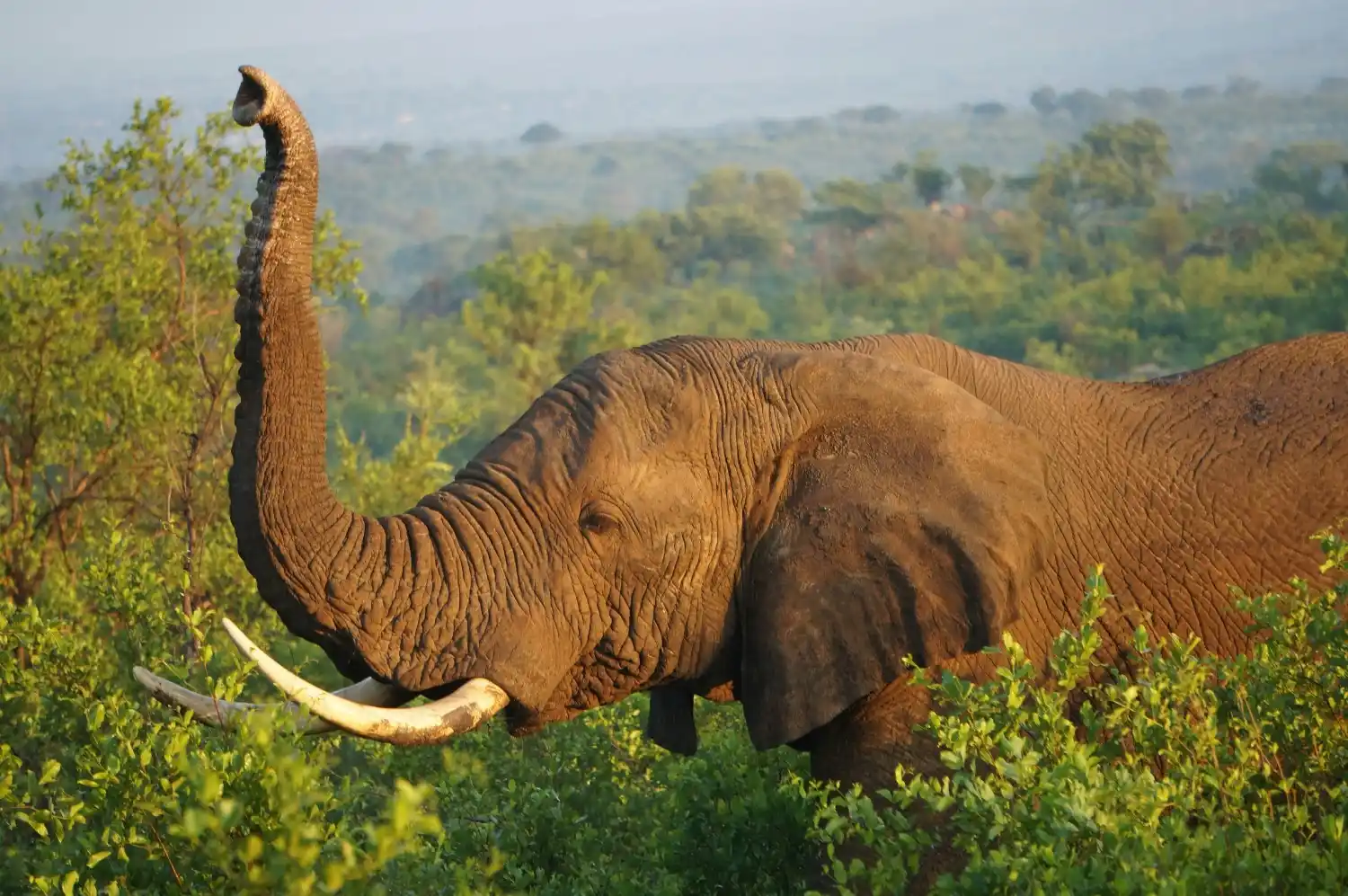
Tarangire covers 2,850 square kilometres and is known for large elephant herds, baobab trees and over 550 bird species. Two hours from Arusha.
- Region
- Manyara region, southern edge of the northern circuit
- Size
- About 2,850 square kilometres
- Nearest airport
- Kuro airstrip inside the park, or JRO, the international airport serving Arusha,
- Suggested stay
- One to two days
Tarangire covers about 2,850 square kilometres south of Arusha and is reached on paved road in under two hours. That proximity makes it the usual first or last stop on a northern circuit itinerary.
The park is defined by the Tarangire River, which in the dry season is the main source of fresh water in the wider ecosystem. Animals concentrate along it, which is why Tarangire is at its best in the months when everywhere else is drying out.
Its landscape is distinct from the Serengeti. Rolling ground, dense baobab trees and river valleys give it a different character and better foreground for photography.
Why visit Tarangire National Park
Elephants. Tarangire holds a high density of them, and dry season herds along the river are frequently large.
The baobabs are the other reason. They are unusually numerous here and give the park a landscape that photographs differently from open grassland.
For birdwatchers, more than 550 species have been recorded, which is among the highest counts of any park in Tanzania.
Wildlife you see here
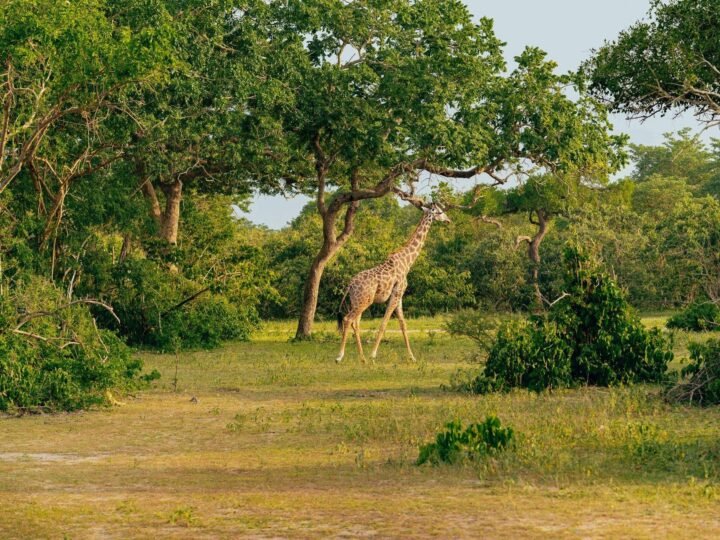
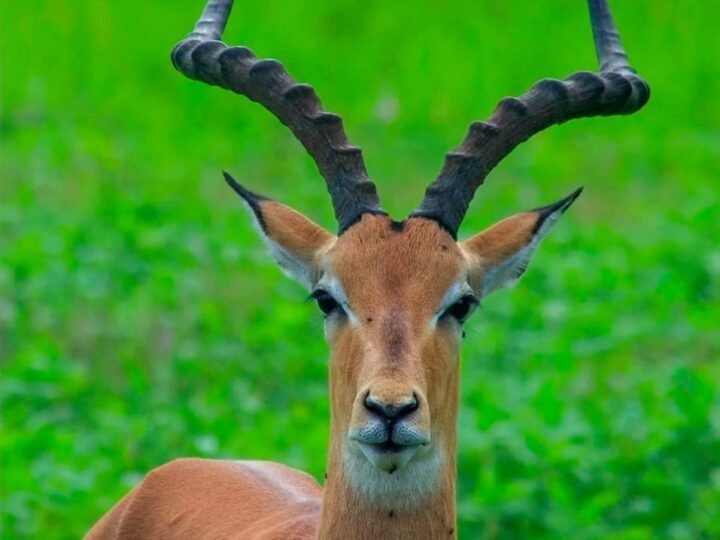
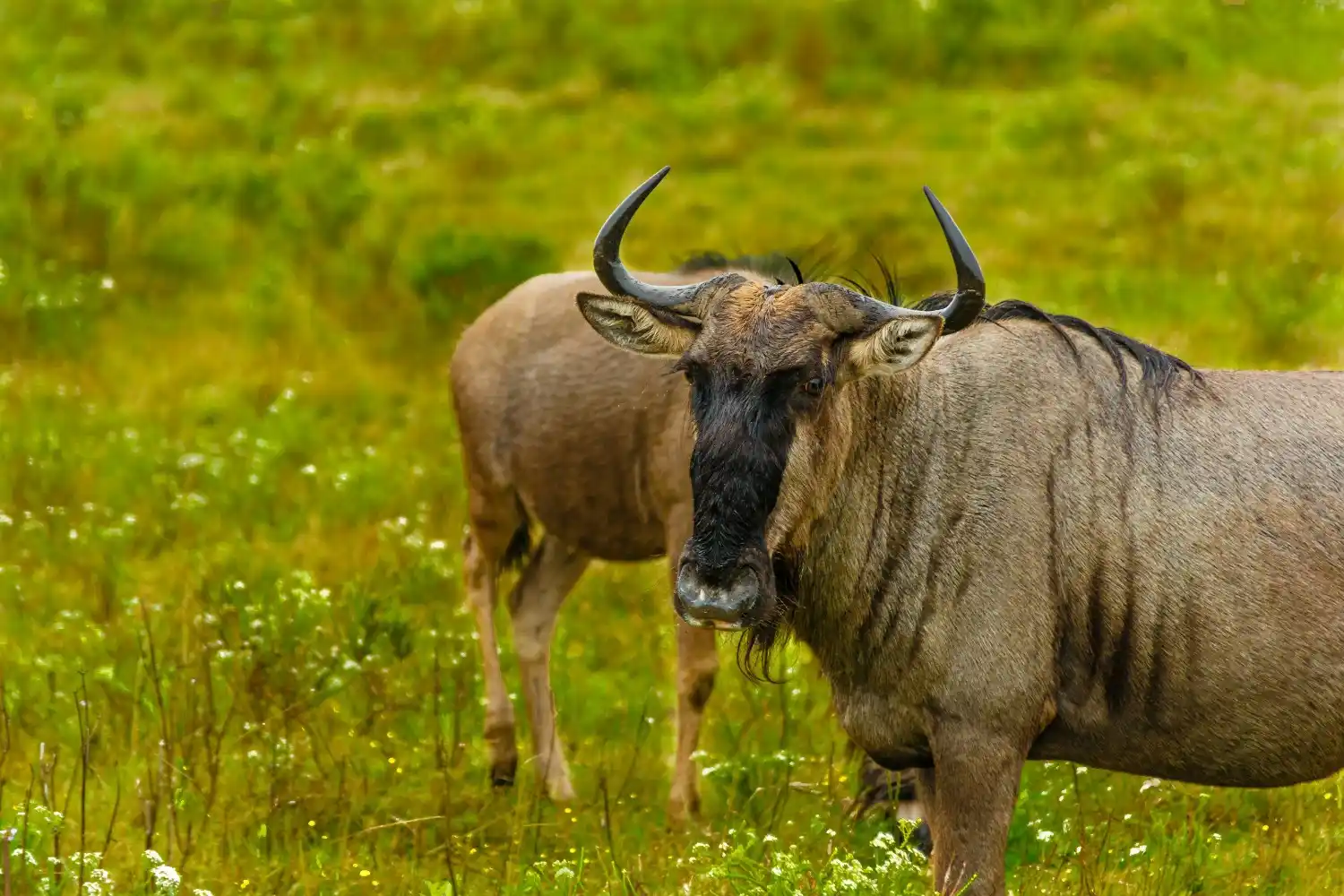
Elephant, zebra, wildebeest, buffalo, giraffe, impala and eland are all common, with numbers rising through the dry season as animals move towards the river.
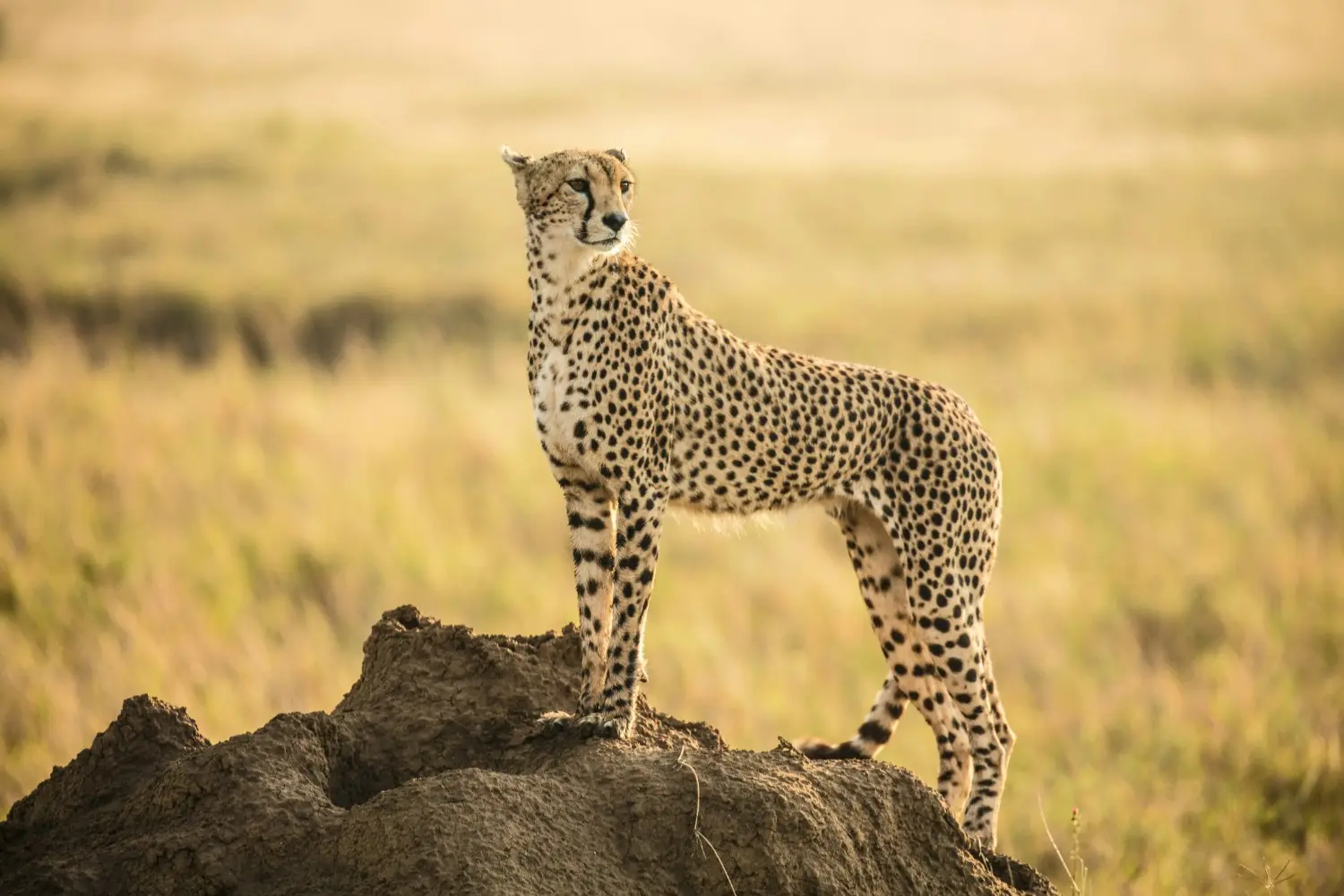
Lion are resident. Leopard and cheetah are present but harder to find. Fringe-eared oryx and gerenuk occur here and are uncommon elsewhere on the northern circuit.
Birdlife includes hornbills, bee-eaters, raptors and the yellow-collared lovebird.
Best time to visit
June to October is the strongest period. Water elsewhere dries up, animals move to the Tarangire River, and concentrations along it are high.
November to May is green and much quieter. Many animals disperse out of the park across the wider ecosystem, so general game viewing is weaker, but birdlife is at its best and the landscape is at its most photogenic.
How to get there
By road, Tarangire is under two hours from Arusha on paved road, with a short stretch to the main gate. It is the easiest northern circuit park to reach.
By air, Kuro airstrip inside the park takes scheduled light aircraft from Arusha.
Where to stay
There are lodges and tented camps both inside the park and along its boundary, plus public campsites. Staying inside means being on game drives at first light rather than driving in from outside.
Because Tarangire is close to Arusha, some visitors treat it as a day trip. That works, but it means missing the early morning and late afternoon hours when wildlife is most active.
Travel tips
Tsetse flies are present in parts of the park. Avoid dark blue and black clothing, which attracts them.
The dry season is dusty. Protect camera equipment.
If your itinerary is short and falls between November and May, ask whether Tarangire is the right use of your days, or whether the time is better spent elsewhere.
Things to do
- Game drives along the Tarangire River
- Elephant viewing, strongest in the dry season
- Birdwatching, with over 550 recorded species
- Guided walking safaris in designated areas
- Night drives in some private concessions
Trips visiting Tarangire National Park
 Game drive, birdwatching
Lake Manyara National Park Day Safari from Arusha
- Duration:
- 1 day
- Starts:
- Arusha
- Tour type:
- Family Safari
- Destination:
- Day Trip, Northern Circuit
Request a quote
 2 days
2-Day Mid-range Fly-in safari to Tarangire and Ngorongoro crater
- Duration:
- 2 days, 1 night
- Starts:
- Arusha
- Tour type:
- Fly-in safari
- Destination:
- Northern Circuit
From $988 pp
Game drive
Tarangire National Park Day Safari from Arusha
- Duration:
- 1 day
- Starts:
- Arusha
- Tour type:
- Family Safari
- Destination:
- Day Trip, Northern Circuit
From $178 pp
 2 days
2-Day Tarangire & Manyara Trip
- Duration:
- 2 days, 1 night
- Starts:
- Arusha
- Tour type:
- Wildlife safari
- Destination:
- Northern Circuit
From $400 pp
 Game drive and optional walking safari
Arusha National Park Day Safari
- Duration:
- 1 day
- Starts:
- Arusha
- Tour type:
- Family Safari
- Destination:
- Day Trip, Northern Circuit
From $243 pp
 2 days
2-Day Tarangire and Ngorongoro Trip
- Duration:
- 2 days, 1 night
- Starts:
- Arusha
- Tour type:
- Wildlife safari
- Destination:
- Northern Circuit
From $480 pp
Combine it with
Parks on the same circuit, close enough to reach in the same trip.
Common questions
What is Tarangire known for?
Large elephant herds, dense baobab trees, and birdlife. More than 550 bird species have been recorded in the park.
How far is Tarangire from Arusha?
Under two hours by road on paved highway, which makes it the most accessible of the northern circuit parks.
When is the best time to visit Tarangire?
June to October. The surrounding area dries out, animals concentrate along the Tarangire River, and game viewing is at its strongest.
Is one day enough for Tarangire?
One full day covers the main river circuit. Two days lets you reach the quieter southern parts of the park and use both early morning and late afternoon.
Planning your trip
The practical reading, from the questions we are asked most.
Fees and rules
Fees, rules and entry requirements are set by these authorities and change without notice. Where our information and theirs disagree, theirs is correct.
- Tanzania National Parks Park entry fees, regulations and opening information, set by the authority itself.
- Ngorongoro Conservation Area Authority Fees and rules for the Ngorongoro Conservation Area, which are set separately from the national parks.
- Tanzania Immigration Services Visa categories, requirements and the official electronic visa application.
- Tanzania Tourist Board The national tourist board, including the register of licensed operators.