Northern Circuit, Tanzania
Ngorongoro Crater
Ngorongoro Crater is an intact volcanic caldera holding around 25,000 large animals, including black rhino. Best time to visit, wildlife and access.
- Region
- Arusha region, Ngorongoro Conservation Area
- Size
- About 260 square kilometres of crater floor
- Nearest airport
- JRO, the international airport serving Arusha,, or Lake Manyara airstrip
- Suggested stay
- One full day on the crater floor
Ngorongoro Crater is the collapsed caldera of a volcano that stood higher than Kilimanjaro before it fell in on itself. The crater floor covers about 260 square kilometres, the walls rise around 610 metres above it, and the rim is roughly 20 kilometres across.
It sits inside the Ngorongoro Conservation Area, which is a UNESCO World Heritage Site and is managed differently from a national park. Maasai communities live and graze livestock within the wider conservation area alongside the wildlife.
The crater floor holds an estimated 25,000 large animals in a contained space, which produces a density of game found almost nowhere else. It is usually visited as a single full day rather than as a multi-day stop.
Why visit Ngorongoro Crater
Density is the reason. The crater walls contain the ecosystem, so lion, elephant, buffalo, hippo, zebra, wildebeest and flamingo occupy a small area that can be covered in a single day.
It is also one of the more reliable places in Tanzania to see black rhino, which are otherwise very difficult to find.
The setting is unusual in its own right. Descending the wall into an intact caldera with a soda lake at its centre is a different experience from driving open plains.
Wildlife you see here
The crater floor holds around 25,000 large animals. All of the big five are present, including a small and closely protected black rhino population.
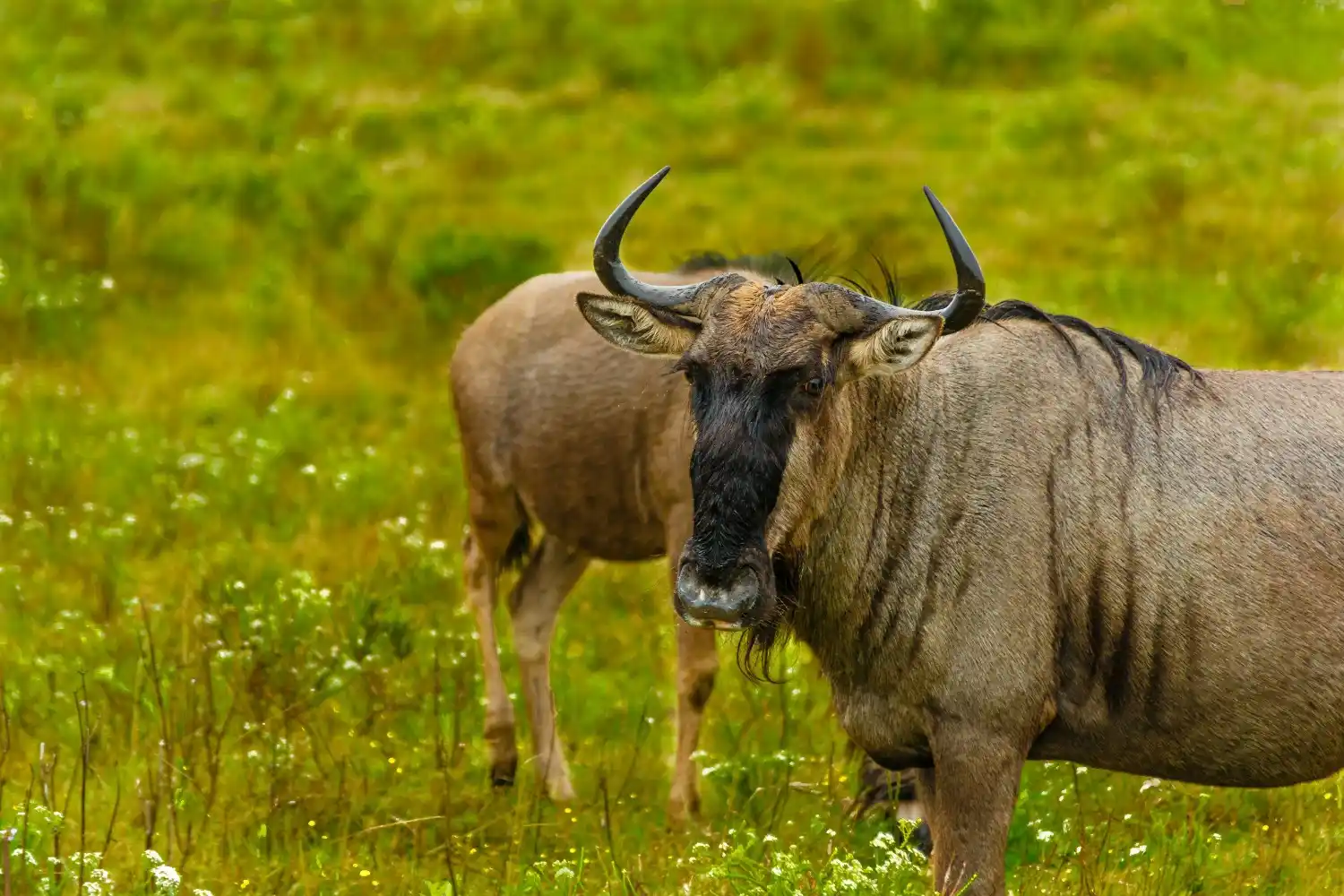
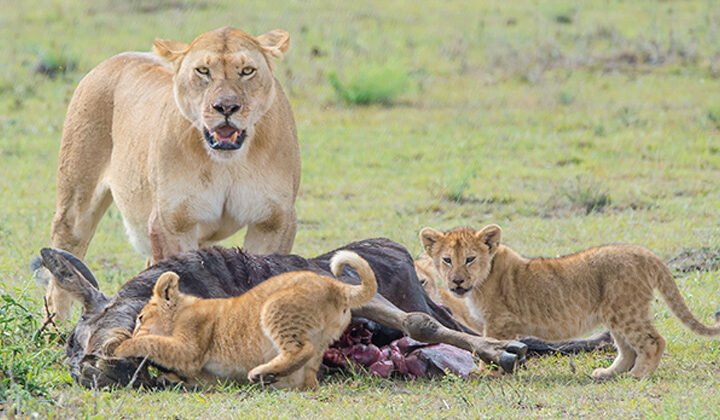
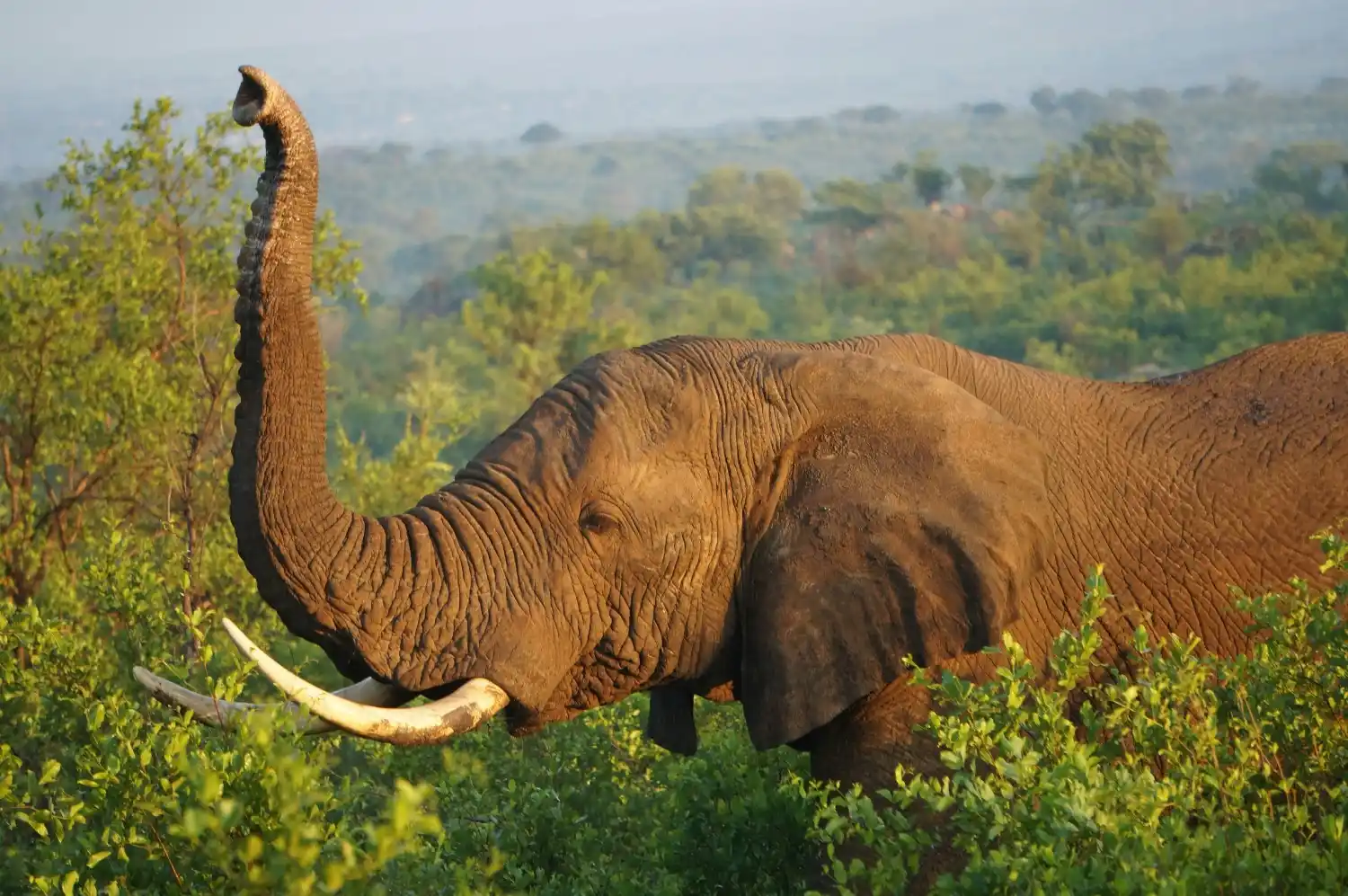
Lion are resident and often visible. Elephant on the floor tend to be older bulls with heavy tusks. Lake Magadi at the centre draws flamingo in numbers that vary with water level. Hippo, buffalo, eland, zebra, wildebeest, hyena and jackal are all common.
Giraffe are not found on the crater floor, as the descent is too steep for them.
Best time to visit
The crater is worth visiting in any month. Wildlife does not migrate out of it.
June to October is dry, with clear air and easier driving. December to March is green and good for birdlife and photography, with short rains typically falling in November and December.
The floor can be busy in peak season. Descending at opening time puts you ahead of most vehicles and gives the best light.
How to get there
The crater is roughly a three hour drive from Arusha on paved road as far as Karatu, then a shorter climb to the rim. Most visitors arrive by road as part of a northern circuit itinerary.
Lake Manyara airstrip is the nearest option for those flying, followed by a road transfer to the rim.
Where to stay
Lodges and camps sit on the crater rim, in and around Karatu below it, and further out towards Lake Manyara. Rim accommodation shortens the morning descent and is the more expensive option. Karatu is a common compromise.
There is no accommodation on the crater floor itself.
Travel tips
Crater floor access is charged as a separate vehicle fee on top of conservation area entry, and permits allow a limited number of hours on the floor. Ask for both to be shown clearly in any quote.
The rim is high and cold in the early morning. Bring a warm layer even if the days are hot.
Descend early. The floor is at its quietest and its best lit in the first two hours after the gate opens.
Things to do
- Full day game drive on the crater floor
- Black rhino viewing, when present and visible
- Flamingo and waterbird viewing at Lake Magadi
- Crater rim viewpoints and photography
- Cultural visits with Maasai communities in the conservation area
Trips visiting Ngorongoro Crater
Combine it with
Parks on the same circuit, close enough to reach in the same trip.
Common questions
Is Ngorongoro a national park?
No. It is a conservation area, managed by the Ngorongoro Conservation Area Authority, where Maasai communities live alongside wildlife. Fees and rules differ from national parks.
Can you see the big five in Ngorongoro Crater?
All five are present. Lion, elephant and buffalo are commonly seen. Black rhino are present but not guaranteed on any given day. Leopard are rarely seen on the crater floor.
How long do you spend in the crater?
Crater floor permits allow a set number of hours, so the visit is usually a single full day with a picnic lunch on the floor.
Are there giraffe in the Ngorongoro Crater?
No. The descent is too steep for giraffe, so they are absent from the crater floor although they occur elsewhere in the conservation area.
Planning your trip
The practical reading, from the questions we are asked most.
Fees and rules
Fees, rules and entry requirements are set by these authorities and change without notice. Where our information and theirs disagree, theirs is correct.
- Tanzania National Parks Park entry fees, regulations and opening information, set by the authority itself.
- Ngorongoro Conservation Area Authority Fees and rules for the Ngorongoro Conservation Area, which are set separately from the national parks.
- Tanzania Immigration Services Visa categories, requirements and the official electronic visa application.
- Tanzania Tourist Board The national tourist board, including the register of licensed operators.