Northern Circuit, Tanzania
Serengeti National Park
The Serengeti covers 14,763 square kilometres of open plains and is the stage for the annual wildebeest migration. Best months, wildlife and how to get there.
- Region
- Northern Tanzania, Mara and Simiyu regions
- Size
- 14,763 square kilometres
- Nearest airport
- Seronera and Kogatende airstrips, or JRO, the international airport serving Arusha, for road access
- Suggested stay
- Three to five days
The Serengeti is the park most people picture when they imagine an African safari. It covers 14,763 square kilometres in northern Tanzania, was established in 1940, and forms one ecosystem with the Ngorongoro Conservation Area to the south east and Kenya’s Maasai Mara to the north.
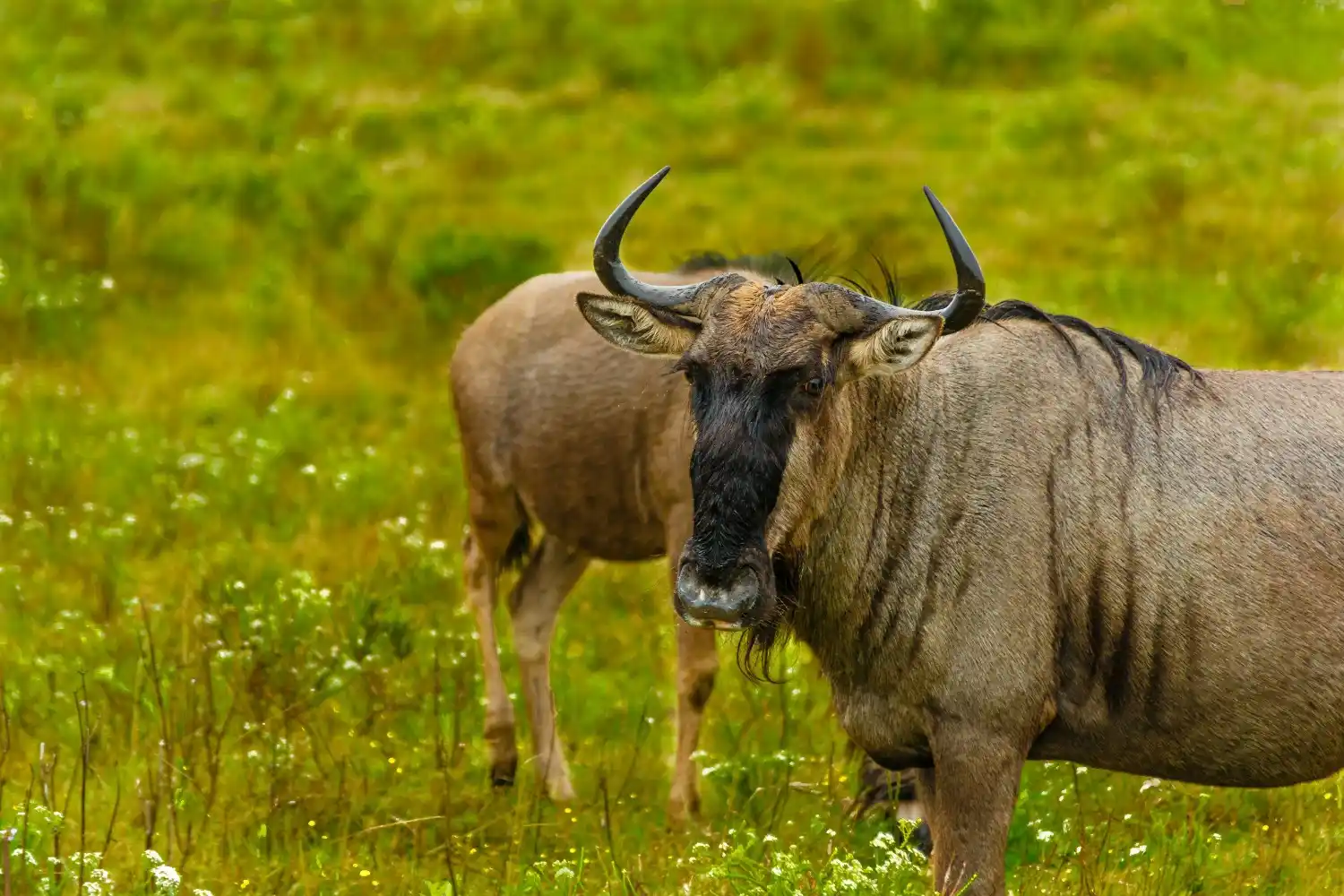
Its reputation rests on two things. The first is space. The southern plains are open grassland that runs to the horizon, which makes wildlife easy to see and photograph. The second is the annual migration of roughly 1.5 million wildebeest, alongside about 250,000 zebra and several hundred thousand gazelle, which moves through the ecosystem in a broad clockwise loop across the year.
The park is large enough that where you stay matters as much as when you visit. The southern plains, the central Seronera valley, the Western Corridor and the northern Kogatende area each peak at different times.
Why visit Serengeti National Park
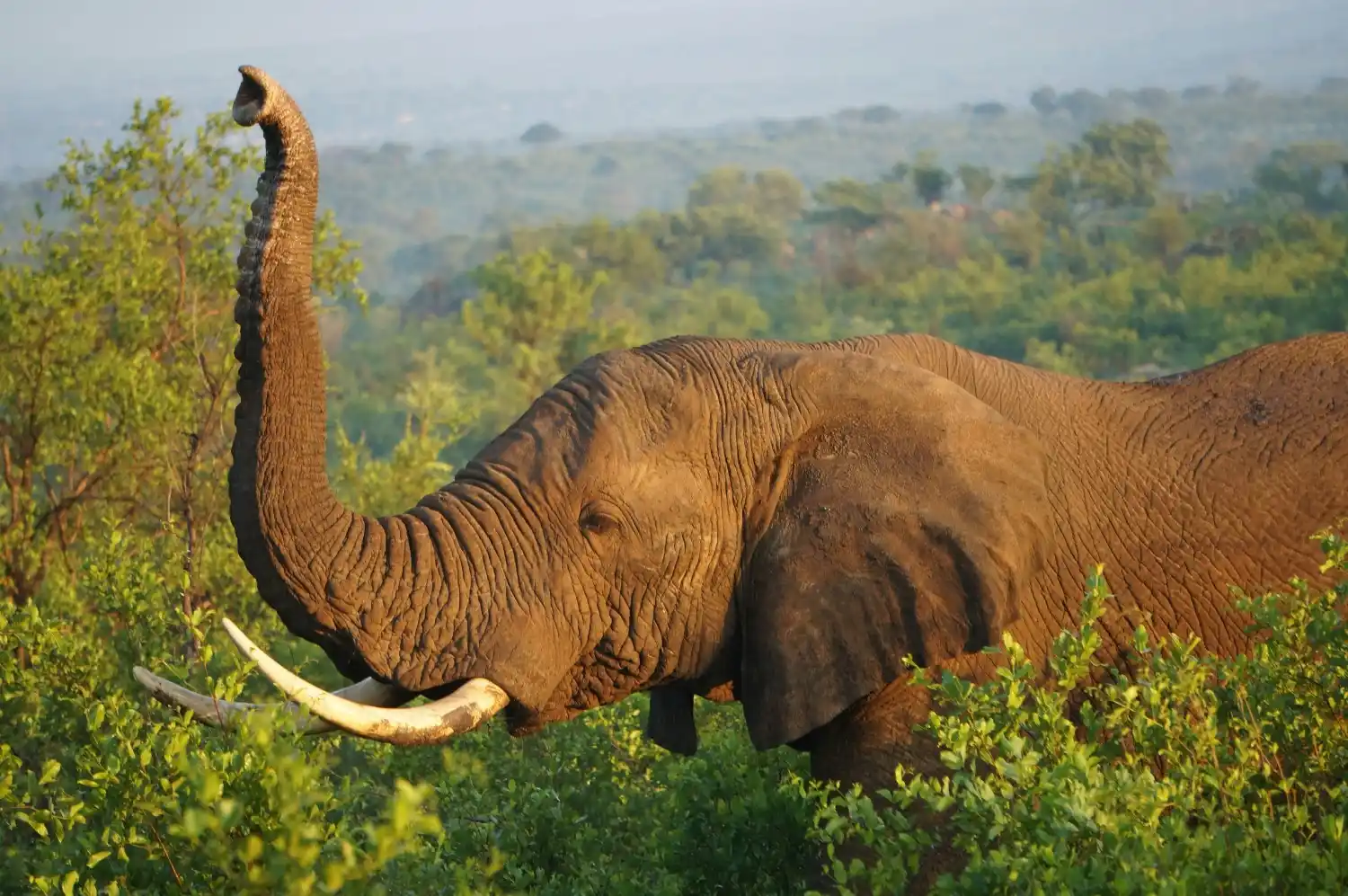
The Serengeti offers the highest concentration of large mammals of any park in Tanzania, and it holds them year round rather than seasonally. Even outside the migration months, resident lion, elephant, giraffe, buffalo and plains game remain.
The open terrain is the practical advantage. Sightings are visible at distance, light is good for photography for most of the day, and predator behaviour plays out in the open rather than in thick bush.
It also pairs naturally with the Ngorongoro Crater and Tarangire, which is why most northern circuit itineraries combine them rather than treating the Serengeti as a single destination.
Wildlife you see here
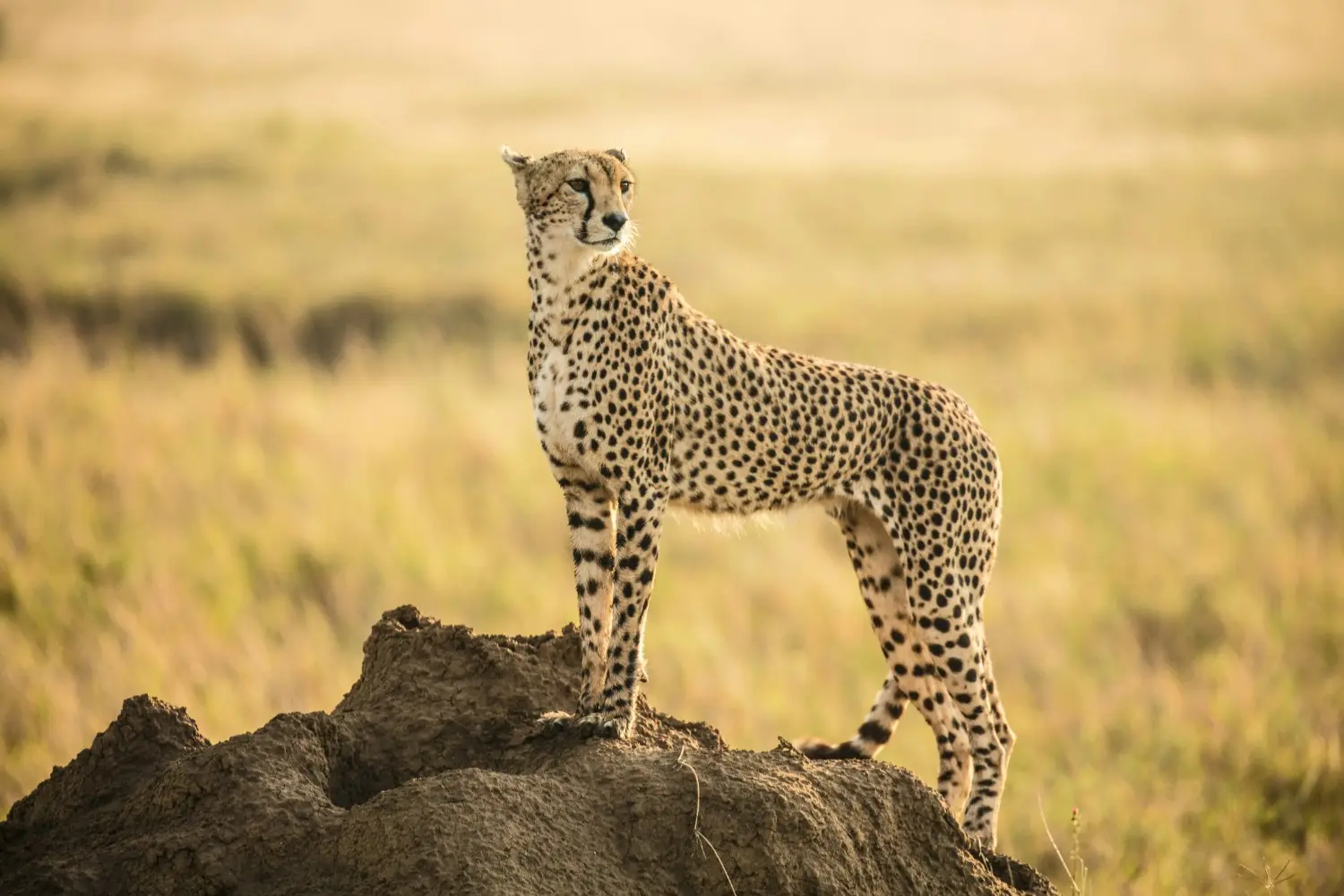
All of the big five are present, though rhino are rare and concentrated in a few protected areas. Lion are common and the Serengeti holds one of the largest populations in Africa. Cheetah favour the southern and central plains, leopard the riverine trees along the Seronera.
Beyond the predators, expect elephant, giraffe, buffalo, hippo, topi, eland, impala, Thomson’s and Grant’s gazelle, and large numbers of zebra. Birdlife is substantial, with raptors, ostrich, secretary bird and seasonal migrants.
Best time to visit
There is no closed season. The question is what you want to see.
January to March is calving season on the southern plains, when around half a million wildebeest calves are born within a few weeks. Predator activity is at its highest.
June to July follows the herds into the Western Corridor and the Grumeti river crossings. August to October is the northern Kogatende area and the Mara River crossings.
The long rains fall roughly from late March to May. Some camps close, roads are harder, and prices drop. Wildlife is still present and the landscape is green.
How to get there
By air, scheduled light aircraft fly from Arusha and JRO to airstrips inside the park, including Seronera in the centre and Kogatende in the north. Flying saves a long drive and is the usual choice for the northern Serengeti.
By road, the drive from Arusha runs through Karatu and the Ngorongoro Conservation Area, entering the Serengeti at Naabi Hill gate. Allow a full day. Many itineraries drive in, so the Crater and Tarangire can be seen on the way, and fly out.
Where to stay
Accommodation ranges from public and special campsites, through permanent tented camps, to lodges. Mobile tented camps move with the migration and are the usual answer for following the herds.
Location is the decision that matters. A camp in the south in September is a long drive from the action in the north. Ask for accommodation matched to the month you are travelling rather than to a general area.
Travel tips
Mornings and late afternoons are the productive hours for wildlife. Plan for early starts.
Bring layers. The plains are cold before dawn and hot by mid morning. A dust-proof bag for camera equipment is worth carrying.
Park fees are charged per twenty four hour period and are a significant part of any Serengeti quote. Ask for them to be itemised so you can compare offers properly.
Things to do
- Game drives on the southern, central and northern plains
- Hot air balloon flights over the plains at sunrise
- Guided walking safaris in designated areas
- Migration and river crossing viewing, seasonal by area
- Birdwatching, strongest during the green season
Trips visiting Serengeti National Park
Combine it with
Parks on the same circuit, close enough to reach in the same trip.
Common questions
When is the wildebeest migration in the Serengeti?
The herds are in the ecosystem all year and move in a broad clockwise loop. Calving is on the southern plains from January to March. The Western Corridor and Grumeti crossings fall around June and July. The Mara River crossings in the north generally run from August to October. Exact timing follows the rain and shifts year to year.
How many days do you need in the Serengeti?
Three days is the practical minimum to justify the travel time and see more than one area. Five days lets you cover two regions of the park, or follow the migration properly.
Is the Serengeti worth visiting outside the migration months?
Yes. Resident lion, leopard, elephant, giraffe, buffalo and plains game do not migrate. The green season from late March to May is quieter and less expensive, with fewer vehicles at sightings.
Can you visit the Serengeti and the Ngorongoro Crater on the same trip?
Yes, and most itineraries do. The Crater sits on the road between Arusha and the Serengeti, so it fits naturally into the drive in or out.
Planning your trip
The practical reading, from the questions we are asked most.
Fees and rules
Fees, rules and entry requirements are set by these authorities and change without notice. Where our information and theirs disagree, theirs is correct.
- Tanzania National Parks Park entry fees, regulations and opening information, set by the authority itself.
- Ngorongoro Conservation Area Authority Fees and rules for the Ngorongoro Conservation Area, which are set separately from the national parks.
- Tanzania Immigration Services Visa categories, requirements and the official electronic visa application.
- Tanzania Tourist Board The national tourist board, including the register of licensed operators.